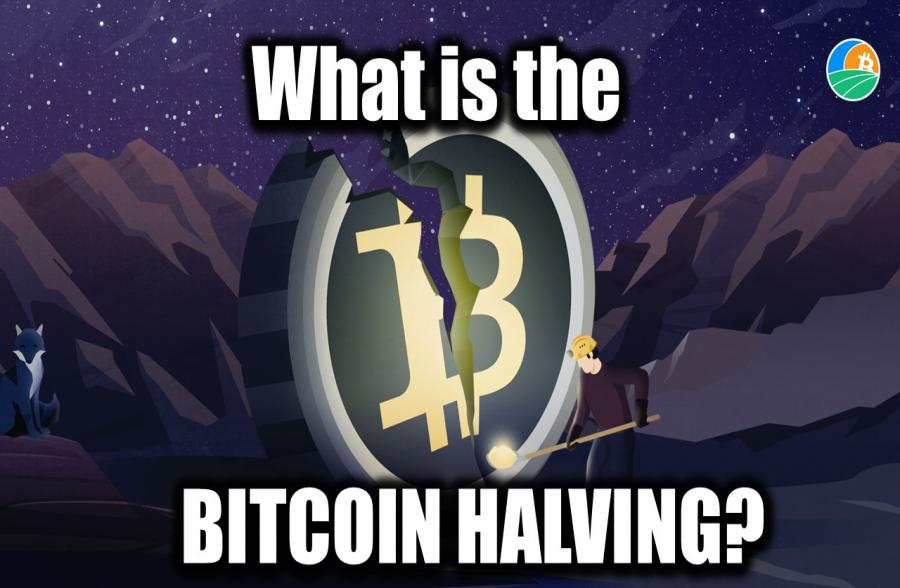
What is the Bitcoin Halving? Aka Bitcoin halvening.
The Bitcoin halving, also known as the halvening, is a programmed event in the Bitcoin protocol that occurs approximately every four years, or after every 210,000 blocks have been mined. It is a mechanism designed to control the supply of new bitcoins entering circulation and is an essential part of Bitcoin's monetary policy.
During a halving event, the reward that miners receive for validating and adding new blocks to the Bitcoin blockchain is cut in half. The original reward started at 50 bitcoins per block when Bitcoin was launched in 2009. The first halving occurred in 2012, reducing the reward to 25 bitcoins per block. The second halving occurred in 2016, further reducing the reward to 12.5 bitcoins per block. The most recent halving occurred in May 2020, bringing the reward down to 6.25 bitcoins per block.
The primary reasons for implementing the halving are:
-
Controlled Supply: By reducing the rate at which new bitcoins are created, the total supply of bitcoins is capped at 21 million. This controlled supply is intended to mimic the scarcity and finite supply of precious metals like gold.
-
Incentive for Scarcity: The diminishing rewards create scarcity and help ensure that new bitcoins are released into the market at a decreasing rate, making it more challenging over time to obtain new bitcoins through mining.
The halving events are important milestones for the Bitcoin community, as they have historical significance and can potentially impact the economics of Bitcoin. Some investors and analysts believe that the reduced rate of new bitcoin creation, combined with increasing demand, may contribute to upward price movements in the cryptocurrency. However, it's essential to note that the relationship between halving events and Bitcoin's price is complex and influenced by various factors in the broader cryptocurrency market.
Send your comments