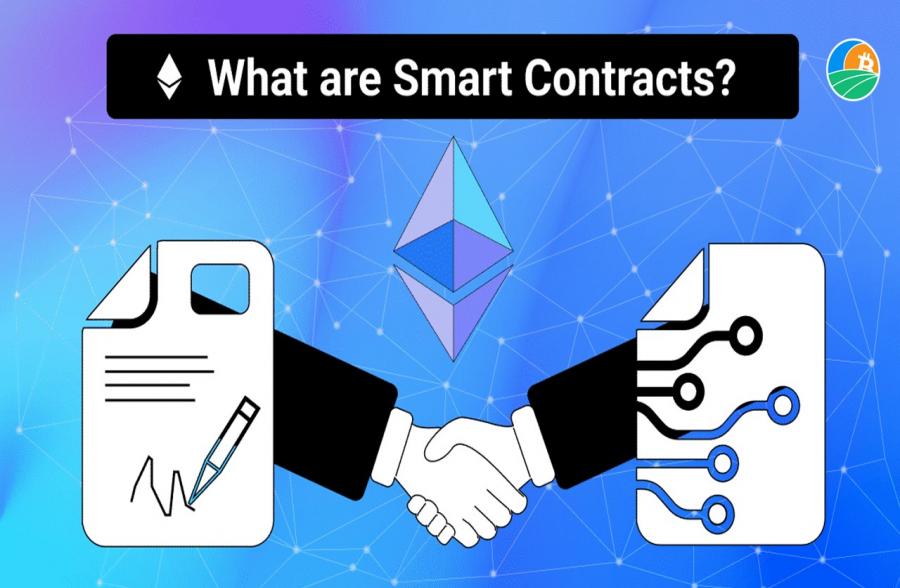
What is as smart contract?
A smart contract is a self-executing contract with the terms of the agreement between buyer and seller written directly into code. It runs on a blockchain, which is a distributed and decentralized ledger technology. Smart contracts automatically execute and enforce the terms of an agreement when predefined conditions are met.
Here are some key characteristics of smart contracts:
-
Self-executing: Smart contracts automatically execute and enforce the terms of the agreement without the need for intermediaries or third parties.
-
Code-based: The terms of the contract are written in code, typically using a programming language that is suitable for the blockchain platform on which it runs.
-
Decentralized: Smart contracts operate on a blockchain, which is a decentralized and distributed network of computers. This eliminates the need for a central authority to oversee or enforce the contract.
-
Immutable: Once deployed on the blockchain, the code and the terms of the smart contract are usually immutable, meaning they cannot be altered or tampered with.
-
Trustless: Smart contracts rely on the security and transparency of the blockchain, reducing the need for trust between parties. The code and execution are visible and verifiable on the blockchain.
Smart contracts find applications in various fields, including finance (e.g., decentralized finance or DeFi), supply chain management, real estate, and more. Ethereum is one of the most well-known blockchain platforms that supports smart contracts, but other platforms like Binance Smart Chain, Cardano, and Polkadot also incorporate smart contract functionality.
Send your comments